


 English
 Arabic
 Korean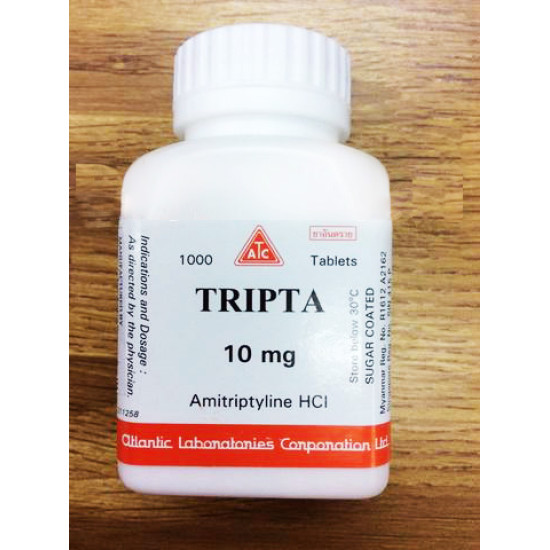
- Stock: In Stock
- Model: TRIPTA10 MG
Tripta (Amitriptyline 10 mg) is a low-dose antidepressant commonly used to improve sleep, reduce nerve pain, prevent migraines, and help with stress-related body pain. It works by balancing mood chemicals and calming overactive nerves. If you’re looking for a clear, friendly guide that explains everything without complicated medical language, you’re in the right place.
Tripta 10 mg – A Simple Medicine That Helps in Big Ways
Tripta is one of those medications that has been around for years—and for good reason. It’s versatile, reliable, and often prescribed when someone has pain that just won’t go away, trouble sleeping, or ongoing stress that affects their body.
What makes Tripta 10 mg unique is that it doesn’t just target one problem. Doctors use it for multiple issues: mood, nerves, headaches, and long-term pain. And since the 10 mg dose is gentle, it’s a common starting point for people who need steady, safe support.
If you’ve been searching online for an easy-to-read breakdown, alipharmahealth brings you this complete, reader-friendly guide with everything explained clearly.
Tripta is one of those medications that has been around for years—and for good reason. It’s versatile, reliable, and often prescribed when someone has pain that just won’t go away, trouble sleeping, or ongoing stress that affects their body.
What makes Tripta 10 mg unique is that it doesn’t just target one problem. Doctors use it for multiple issues: mood, nerves, headaches, and long-term pain. And since the 10 mg dose is gentle, it’s a common starting point for people who need steady, safe support.
If you’ve been searching online for an easy-to-read breakdown, alipharmahealth brings you this complete, reader-friendly guide with everything explained clearly.
What Exactly is Tripta (Amitriptyline 10 mg)?
Tripta contains Amitriptyline Hydrochloride 10 mg, a well-known tricyclic antidepressant.
At this lower strength, it’s usually prescribed for:
Sleep improvement
Chronic pain relief
Headache control
Calming nerve-related symptoms
While Amitriptyline is technically an antidepressant, the low dose works differently—more like a calming, nerve-soothing medicine.
Tripta contains Amitriptyline Hydrochloride 10 mg, a well-known tricyclic antidepressant.
At this lower strength, it’s usually prescribed for:
Sleep improvement
Chronic pain relief
Headache control
Calming nerve-related symptoms
While Amitriptyline is technically an antidepressant, the low dose works differently—more like a calming, nerve-soothing medicine.
Ingredients
Active Ingredient:
Amitriptyline Hydrochloride 10 mg
Inactive Ingredients May Include:
Lactose
Starch
Binding agents
Coating materials
These ingredients help the tablet hold its shape and dissolve properly.
Active Ingredient:
Amitriptyline Hydrochloride 10 mg
Inactive Ingredients May Include:
Lactose
Starch
Binding agents
Coating materials
These ingredients help the tablet hold its shape and dissolve properly.
What is Tripta 10 mg Used For?
Tripta is a go-to choice when symptoms overlap—like pain that disrupts sleep, or stress that causes headaches. Here’s what it’s most commonly used for:
Tripta is a go-to choice when symptoms overlap—like pain that disrupts sleep, or stress that causes headaches. Here’s what it’s most commonly used for:
1. Depression and Mood Support
Helps stabilize mood and reduce emotional distress.
Helps stabilize mood and reduce emotional distress.
2. Nerve Pain (Neuropathic Pain)
Great for conditions like:
Diabetic nerve pain
Sciatica
Nerve damage after an injury
Burning or tingling sensations
Great for conditions like:
Diabetic nerve pain
Sciatica
Nerve damage after an injury
Burning or tingling sensations
3. Insomnia & Poor Sleep
A low dose helps the mind slow down and promotes deeper rest.
A low dose helps the mind slow down and promotes deeper rest.
4. Migraine & Chronic Headache Prevention
Reduces intensity and frequency over time.
Reduces intensity and frequency over time.
5. Chronic Pain Conditions
Tripta is often recommended for:
Fibromyalgia
Back or neck pain
Stress-triggered muscle pain
Post-injury pain
Its calming effect on nerves makes it ideal for long-term pain that hasn’t responded to other treatments.
Tripta is often recommended for:
Fibromyalgia
Back or neck pain
Stress-triggered muscle pain
Post-injury pain
Its calming effect on nerves makes it ideal for long-term pain that hasn’t responded to other treatments.
How to Take Tripta (Dosage Guide)
Typical recommendation from doctors:
Start with 10 mg at night
May increase gradually if needed
Take at the same time each evening
Food is optional—works with or without food
Since Tripta can make you drowsy, nighttime is the perfect time for it.
Avoid alcohol, as it can increase the sedative effect.
If you forget a dose, simply skip it—no doubling up.
Typical recommendation from doctors:
Start with 10 mg at night
May increase gradually if needed
Take at the same time each evening
Food is optional—works with or without food
Since Tripta can make you drowsy, nighttime is the perfect time for it.
Avoid alcohol, as it can increase the sedative effect.
If you forget a dose, simply skip it—no doubling up.
Possible Side Effects
Most people tolerate Tripta well, especially at 10 mg.
Common side effects include:
Dry mouth
Drowsiness
Lightheadedness
Constipation
Blurry vision
Increased appetite
Mild weight gain
Less common but serious side effects:
Irregular heartbeat
Severe confusion
Allergic reactions
Difficulty urinating
If any serious symptoms appear, get medical help right away.
Most people tolerate Tripta well, especially at 10 mg.
Common side effects include:
Dry mouth
Drowsiness
Lightheadedness
Constipation
Blurry vision
Increased appetite
Mild weight gain
Less common but serious side effects:
Irregular heartbeat
Severe confusion
Allergic reactions
Difficulty urinating
If any serious symptoms appear, get medical help right away.


-250x250.png "Acnotin (Tretinoin) 10 mg. 30 capsules")