


 English
 Arabic
 Chinese (Simplified)
 French
 German
 Japanese
 Korean
 Russian
 Spanish
 Swedish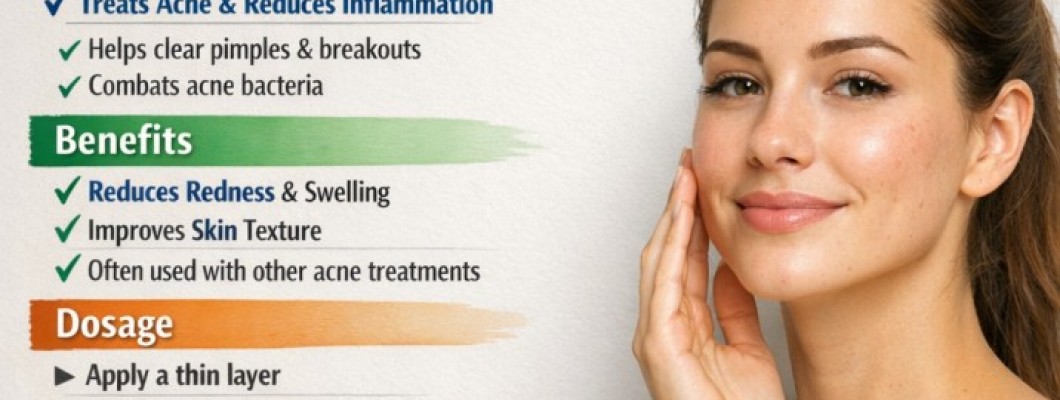
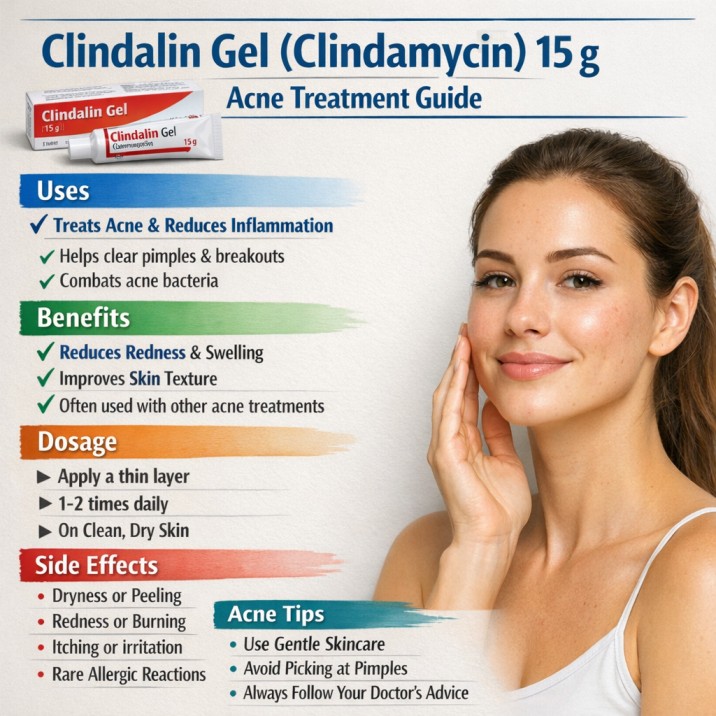
Clindalin Gel (Clindamycin) 15 g is a topical antibiotic used to treat acne (pimples) by stopping the growth of acne-causing bacteria on the skin. It helps reduce inflammation, redness, and future breakouts when applied regularly as directed by a doctor.
Clindalin Gel (Clindamycin) 15 g – Complete Acne Treatment Guide
Acne can be frustrating. One week your skin looks clear, and the next week painful breakouts suddenly appear. That’s exactly why dermatologists often recommend Clindalin Gel (Clindamycin) 15 g—a trusted topical antibiotic designed to fight acne directly at the source.
This gel works by targeting the bacteria responsible for acne, calming inflammation, and helping the skin heal more quickly. When used consistently, many people notice clearer and healthier skin within a few weeks.
If you’re considering this treatment or simply want to learn how it works, this guide from Alipharmahealth explains everything in simple terms.
What Is Clindalin Gel (Clindamycin)?
Clindalin Gel is a topical antibiotic medication that contains Clindamycin, a well-known antibacterial ingredient used in dermatology.
Unlike oral antibiotics that work inside the body, this gel is applied directly to the skin. That means it targets the affected area where acne bacteria live.
Doctors frequently prescribe it for mild to moderate acne, especially when breakouts are caused by bacterial infection and inflammation.
Ingredients in Clindalin Gel
The main active ingredient in this medication is:
Clindamycin (usually 1%)
Clindamycin belongs to the lincosamide antibiotic family. It works by stopping bacteria from producing the proteins they need to grow and multiply.
Inactive ingredients may include:
Purified water
Carbomer gel base
Propylene glycol
Preservatives and stabilizers
These ingredients help the gel spread easily and absorb into the skin.
What Is Clindalin Gel Used For?
Clindalin Gel is mainly used to treat acne vulgaris, but dermatologists may also recommend it for other skin concerns.
Common uses include:
1. Treating Acne
The most common reason doctors prescribe this gel. It helps control bacteria that cause pimples.
2. Reducing Inflammation
It calms swollen and painful acne lesions.
3. Preventing Future Breakouts
Regular use reduces the chance of new pimples forming.
4. Managing Bacterial Skin Infections
In some cases, it may help treat minor bacterial skin infections.
5. Supporting Combination Acne Treatments
It’s often combined with benzoyl peroxide or retinoids for better acne control.
How Clindalin Gel Works on the Skin
Acne often develops when pores become clogged with oil and dead skin cells. Bacteria then multiply inside these pores, causing redness and swelling.
Clindamycin works by:
Stopping bacterial growth
Reducing inflammation
Helping pimples heal faster
Over time, this leads to fewer breakouts and smoother skin.
Recommended Dosage and How to Use
Using the gel correctly is important to get the best results.
Typical Instructions
Wash the affected area with a gentle cleanser.
Pat your skin dry.
Apply a thin layer of Clindalin Gel to the acne-affected area.
Usually used once or twice daily, depending on your doctor’s advice.
Helpful Tips
Apply only a small amount. More is not better.
Avoid applying inside the nose, mouth, or eyes.
Wash your hands after application.
Results usually start appearing within 2 to 6 weeks, although full improvement may take longer.
Possible Side Effects
Most people tolerate Clindalin Gel well, but some mild side effects can occur.
Common Side Effects
Skin dryness
Mild irritation
Redness
Burning or stinging sensation
These symptoms are usually temporary as your skin adjusts.
Less Common Effects
Peeling skin
Itching
Excessive dryness
Rare but Serious Effects
Although extremely rare with topical use, stop using the gel and consult a doctor if you experience:
Severe diarrhea
Persistent stomach cramps
Allergic reactions (rash, swelling)
Important Warnings and Precautions
Before using Clindalin Gel, keep these precautions in mind:
Allergies
Avoid using this medication if you are allergic to Clindamycin or Lincomycin.
Sensitive Skin
If you have very sensitive skin, start with once-daily use to see how your skin reacts.
Avoid Broken Skin
Do not apply on cuts, wounds, or irritated skin.
Pregnancy and Breastfeeding
Consult a healthcare professional before using during pregnancy or breastfeeding.
Antibiotic Resistance
Using antibiotics unnecessarily can reduce their effectiveness. Always follow medical advice.
Who Should Use Clindalin Gel?
This treatment may be suitable for:
Teenagers with acne
Adults with persistent breakouts
People with inflammatory acne
Individuals needing topical antibiotic therapy
However, it should only be used under medical guidance.
Tips for Better Acne Results
Using Clindalin Gel alone helps, but combining it with healthy skincare habits can improve results.
Consider these tips:
Wash your face twice daily
Avoid heavy oily cosmetics
Use non-comedogenic skincare products
Change pillowcases regularly
Stay consistent with treatment
Clearer skin takes time, so patience is key.
Frequently Asked Questions (FAQs)
1. How long does Clindalin Gel take to work?
Most users begin noticing improvement within 2 to 4 weeks, but full results may take 6 to 8 weeks of regular use.
2. Can I use Clindalin Gel every day?
Yes. Doctors usually recommend applying it once or twice daily, depending on your skin condition.
3. Does Clindalin Gel remove acne scars?
No. It treats active acne, but it does not remove scars. However, preventing new breakouts can help reduce future scarring.
4. Can I use moisturizer with Clindalin Gel?
Absolutely. Using a light, oil-free moisturizer can help reduce dryness and irritation.
5. Is Clindalin Gel safe for long-term use?
It can be used for extended periods if prescribed, but doctors may combine or rotate treatments to avoid antibiotic resistance.
Final Summary
Clindalin Gel (Clindamycin) 15 g is a widely used topical antibiotic for treating acne. It works by stopping bacteria growth, reducing inflammation, and preventing new breakouts.
When used consistently and correctly, it can significantly improve acne-prone skin. Like any medication, it’s best used under the guidance of a healthcare professional.
For people struggling with stubborn pimples or inflamed acne, this treatment can be a simple yet effective step toward clearer and healthier skin.
2 Comment(s)
This is the kind of content that makes me come back to your blog again and again. Your observations provided me with a new perspective, and I've already begun implementing some of your recommendations. Thank you very much!
I've read a number of articles on this topic, but yours is the most beneficial. For novices like me, the detailed instructions you offered are just what we need. Please don't stop producing such content.
Leave a Comment