

 English
 Arabic
 Chinese (Simplified)
 French
 German
 Japanese
 Korean
 Russian
 Spanish
 Swedish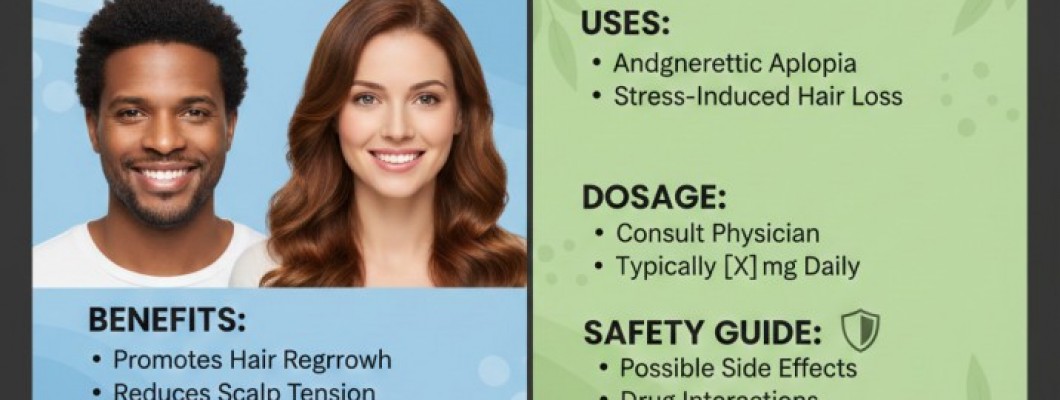
A pressure reducing medication for hair loss is a treatment originally developed to manage blood pressure but later found to support hair regrowth and reduced hair thinning. It works by improving blood flow, especially to the scalp, helping dormant hair follicles wake up and grow stronger hair over time.
Now let’s slow down and really unpack that—because this type of medication has more benefits (and a few precautions) than most people realize.
Why a Blood Pressure Drug Is Used for Hair Loss
At first glance, it sounds odd. Why would a medication meant to lower blood pressure help with hair loss?
Here’s the simple explanation:
These medications relax blood vessels. When blood vessels widen, circulation improves. Better circulation means more oxygen and nutrients reach hair follicles, especially those that have become weak or inactive.
That improved scalp environment is exactly what thinning hair needs.
This discovery turned a pressure-reducing medication into one of the most talked-about hair loss solutions worldwide, recommended by dermatologists and hair specialists alike.
.jpg)
Ingredients and Active Components
While formulations can vary by brand and strength, most pressure-reducing hair loss medications include:
Vasodilator agents – Help widen blood vessels and boost blood flow
Alcohol or water base – Assists absorption into the scalp (for topical forms)
Stabilizing compounds – Maintain shelf life and consistency
Optional scalp conditioners – Reduce dryness or irritation
Some versions are topical (applied to the scalp), while others are oral and taken under medical supervision.
What Is This Medication Used For?
This type of medication is commonly used for:
Male pattern hair loss (androgenetic alopecia)
Female pattern hair thinning
Early-stage hair shedding
Hair regrowth after stress-related hair loss
Originally: managing high blood pressure
While its blood-pressure role is well established, its hair-growth use has become the main reason many people recognize it today.
How It Works on Hair Follicles
Here’s what’s happening behind the scenes:
Increases blood flow to the scalp
Extends the hair growth (anagen) phase
Revives shrinking or inactive follicles
Helps produce thicker, stronger hair strands
Slows down excessive shedding over time
It doesn’t work overnight. Hair growth is a slow process—but consistency makes all the difference.
Dosage and How to Use It
Dosage depends on form and strength, but general guidance includes:
Topical Use
Applied once or twice daily to clean, dry scalp
Massage gently into thinning areas
Wash hands after application
Avoid washing hair for several hours after use
Oral Use
Taken only under medical guidance
Low doses are typically used for hair concerns
Regular monitoring may be required
Skipping doses or stopping suddenly can reduce effectiveness.
When Will You See Results?
Most people notice:
Reduced hair shedding in 6–8 weeks
Visible regrowth around 3–6 months
Fuller results after 9–12 months
A temporary increase in shedding early on can happen. It’s usually a sign that new growth is starting.
Possible Side Effects
Like all medications, side effects are possible. Common ones may include:
Scalp dryness or itching (topical)
Mild redness or flaking
Temporary shedding at the start
Dizziness or lightheadedness (rare, oral use)
Serious side effects are uncommon when used correctly, but they shouldn’t be ignored.
Important Warnings and Precautions
Before using a pressure-reducing hair loss medication, keep these points in mind:
Not recommended without guidance if you have heart conditions
Avoid use during pregnancy or breastfeeding unless approved
Do not exceed recommended dosage
Stop use and seek medical advice if severe irritation occurs
Keep away from eyes and broken skin
Always read the label carefully and follow professional advice.
Who Should Consider This Treatment?
This medication may be a good option if you:
Are experiencing gradual hair thinning
Want a clinically supported solution
Prefer non-surgical hair treatments
Are committed to long-term hair care
It works best when started early—but can still help later stages with realistic expectations.
Frequently Asked Questions
Does this medication permanently cure hair loss?
No. It helps manage and improve hair growth, but continued use is usually needed to maintain results.
Can women use pressure-reducing hair loss medication?
Yes. Many formulations are suitable for women, though dosage and strength may differ.
Will my hair fall out again if I stop using it?
In most cases, yes. Hair supported by the medication may shed gradually after discontinuation.
Can it be combined with other hair treatments?
Often, yes. It’s commonly paired with supplements or scalp care routines—but always check compatibility.
Is it safe for long-term use?
For most users, long-term use is considered safe when used as directed and monitored when necessary.
Final Thoughts
Pressure reducing medication for hair loss is one of those rare discoveries where medical science accidentally found gold. What started as a blood-pressure solution became a trusted hair-regrowth option used around the world.
It’s not magic. It requires patience, consistency, and realistic expectations. But for many people, it’s the difference between watching hair thin—and watching it come back stronger.
For trusted guidance, product insights, and safe usage tips, Alipharmahealth continues to focus on clarity, accuracy, and real-world health education.
Healthy scalp. Steady care. Better hair days ahead.
6 Comment(s)
You make such a complicated subject seem approachable with your writing style. I noticed that almost every paragraph had me nodding in agreement. We appreciate you taking the time to produce something so worthwhile.
I am truly thankful to the owner of this website who has shared this impressive piece of writing at here.
The examples and explanations worked together nicely and made the content feel approachable. I appreciated that the article didn't get overly technical or complicated while still being informative. I can tell this comes from real experience and not just theory.
I am truly motivated to take action and make some changes in my life by this post, and I am grateful for the inspiration and support you have given me. I'm eager to put the tactics and methods you've shared into practice and witness the outcomes for myself because they are incredibly useful and successful. I appreciate you sharing your knowledge and experience with us; it has truly helped, and I am thankful for the chance to learn from you.
I adore the way you've tackled this subject and value the distinct viewpoint you've contributed to the conversation. I'm impressed by the way you've employed storytelling techniques to make the content more relatable and memorable, and the writing is interesting and enjoyable. You've raised some excellent points, and I appreciate your observations and insights. I'm eager to read more, so keep up the fantastic work.
Thanks for putting this together. Without making it seem overwhelming, you addressed every crucial point. Because they made everything much more relatable, I particularly enjoyed the examples you provided. I'm going to give this strategy a try soon.
Leave a Comment