



 English
 Arabic
 Chinese (Simplified)
 French
 German
 Japanese
 Korean
 Russian
 Spanish
 Swedish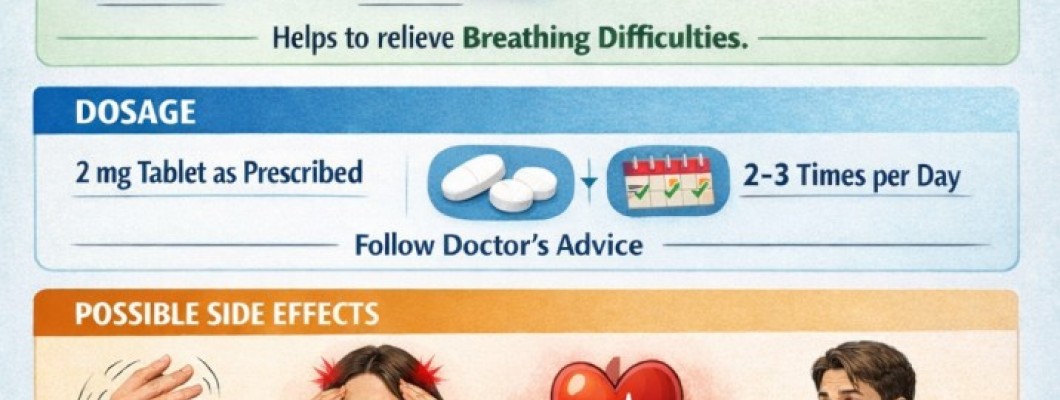
Salbutamol 2 mg Violin is a fast-acting bronchodilator used to relieve symptoms of asthma, bronchospasm, and other breathing problems by relaxing the airways and making breathing easier within minutes.
Why Doctors Still Trust Salbutamol
Let’s be honest—when breathing feels tight, you don’t want complicated solutions. You want something that works quickly and reliably. That’s exactly why Salbutamol has remained a go-to medication for decades.
Salbutamol 2 mg Violin helps open up narrowed airways, allowing more air to flow into the lungs. Whether it’s wheezing, chest tightness, or shortness of breath, this medicine is designed to bring relief when your lungs need it most.
At Alipharmahealth, we focus on medicines that are effective, widely prescribed, and well-understood—and Salbutamol fits that profile perfectly.
What Is Salbutamol 2 mg Violin?
Salbutamol belongs to a group of medicines called beta-2 agonists. It works by relaxing the muscles in the airways of the lungs, which helps reduce resistance and improves airflow.
The 2 mg strength is commonly prescribed for controlled symptom relief, especially in patients who need regular bronchodilation rather than emergency-only treatment.
Ingredients Breakdown
Active Ingredient: Salbutamol Sulphate (equivalent to Salbutamol 2 mg)
Inactive Ingredients: Excipients used to maintain stability and absorption (may vary by manufacturer)
What Is Salbutamol 2 mg Violin Used For?
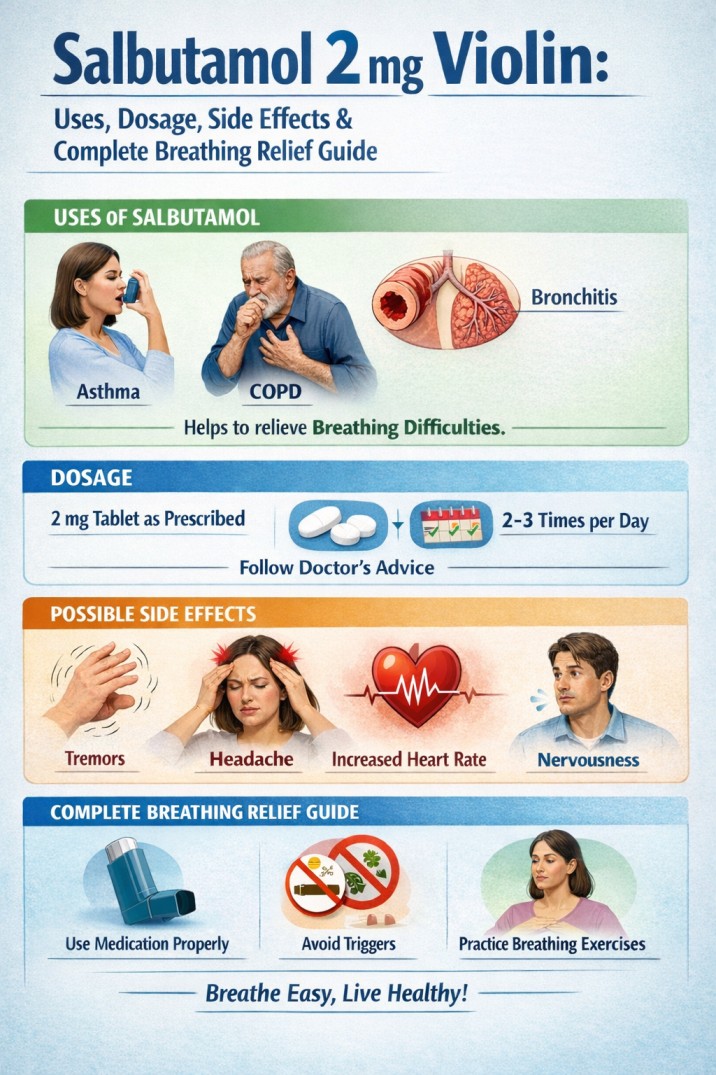
Doctors commonly prescribe this medicine to manage:
Asthma symptoms (wheezing, coughing, chest tightness)
Chronic Obstructive Pulmonary Disease (COPD)
Bronchospasm caused by allergies or infections
Exercise-induced breathing difficulty
Reversible airway obstruction
How to Take Salbutamol 2 mg Violin
Dosage depends on age, condition, and medical advice, but general guidance includes:
Adults: 2–4 mg, up to 3–4 times daily
Children: Lower doses as prescribed by a doctor
Elderly patients: Usually start with the lowest effective dose
Possible Side Effects (What to Expect)
Most people tolerate Salbutamol well, but like all medicines, it can cause side effects.
Common (usually mild):
Tremors or shaky hands
Headache
Nervousness
Increased heart rate
Less common but important:
Muscle cramps
Dizziness
Palpitations
If side effects feel severe or don’t settle, medical advice is essential.
Important Warnings & Precautions
Before using Salbutamol 2 mg Violin, tell your doctor if you have:
Heart disease or high blood pressure
Diabetes
Thyroid disorders
History of seizures
Avoid mixing with other stimulants unless approved. Pregnant or breastfeeding women should use it only under medical supervision.
Drug Interactions to Keep in Mind
Salbutamol may interact with:
Beta-blockers
Certain antidepressants
Other asthma medications
Always share your full medication list with your healthcare provider.
Storage & Safety Tips
Store below 25°C
Keep away from moisture and direct sunlight
Keep out of reach of children
Frequently Asked Questions (FAQs)
Q1. How fast does Salbutamol 2 mg Violin work?
Most people feel relief within 15–30 minutes, with peak effect shortly after.
Q2. Can I use it daily?
Yes, if prescribed for regular use. However, needing higher doses often may signal poor asthma control.
Q3. Is Salbutamol safe for long-term use?
When used as directed, it’s considered safe. Regular monitoring is recommended for chronic conditions.
Q4. Can it be used during an asthma attack?
Oral Salbutamol helps, but inhalers act faster during acute attacks.
Q5. What should I do if I miss a dose?
Take it when you remember—unless it’s close to the next dose. Never double up.
Final Thoughts from Alipharmahealth
Salbutamol 2 mg Violin remains a trusted option for managing breathing difficulties due to asthma and other lung conditions. It’s effective, well-researched, and widely prescribed—making it a reliable choice when used responsibly.
6 Comment(s)
You've provided an approachable and perceptive explanation of this subject. I was actually just talking to a colleague about this exact scenario earlier today, so finding your article feels like a great coincidence. You obviously thought this through a lot.
I've been searching for content like this lately. I've been having trouble understanding this subject, and your explanation helped me to understand it much better. I can immediately put the useful advice you provided into practice. This page has already been bookmarked for future reference.
I am really thankful to the owner of this web site who has shared this great paragraph at here.
I really value the effort you put into structuring this post because it flows perfectly from one point to the next. You left space for interpretation while clearly outlining the key points. This type of post encourages meaningful conversation.
This piece clearly took a lot of thought to create; the tone, pacing, and structure were all perfect. I particularly valued the conclusion's summary, which served to reaffirm the main points. I was hooked from the first paragraph and read all the way through without losing interest.
I wholeheartedly concur with this article's sentiments. Seeing these concepts being thoughtfully and honestly discussed is comforting. Your contributions are greatly valued; keep up the great work.
Leave a Comment