

 English
 Arabic
 Chinese (Simplified)
 French
 German
 Japanese
 Korean
 Russian
 Spanish
 Swedish
Some supplements that may help prevent common cold symptoms include vitamin C, vitamin D, zinc, probiotics, and a few well-known herbal extracts. They don’t cure colds or block viruses on contact. What they can do is support immune function so your body is better prepared—especially when taken consistently before cold season sneaks up.
That’s the short answer.
The longer answer matters more if you feel like you’re always the one catching “whatever’s going around.”
Why Colds Never Seem to Give a Warning
Colds rarely arrive with drama.
Most of the time, it’s subtle—a dry throat in the morning. A little congestion, you blame on the weather. By the time you admit something’s wrong, it’s already happening.
What’s interesting is that exposure isn’t usually the real issue. Timing is.
When sleep slips, stress stacks up, or seasons shift, the immune system doesn’t always keep up. That’s when common cold viruses find an opening.
This is why people talk about supplements for cold prevention instead of cold treatment. Once symptoms are loud, prevention has already passed its window.
What Immune Supplements Can Help With (and What They Can’t)
This part deserves honesty.
Supplements can:
Support immune response
Help the body react more efficiently
Reduce how often symptoms show up for some people
They can’t:
Eliminate viruses instantly
Undo chronic lack of sleep
Replace decent nutrition
They’re support tools. Background helpers. Not emergency fixes.
Once you look at them that way, expectations become more realistic—and results usually improve.
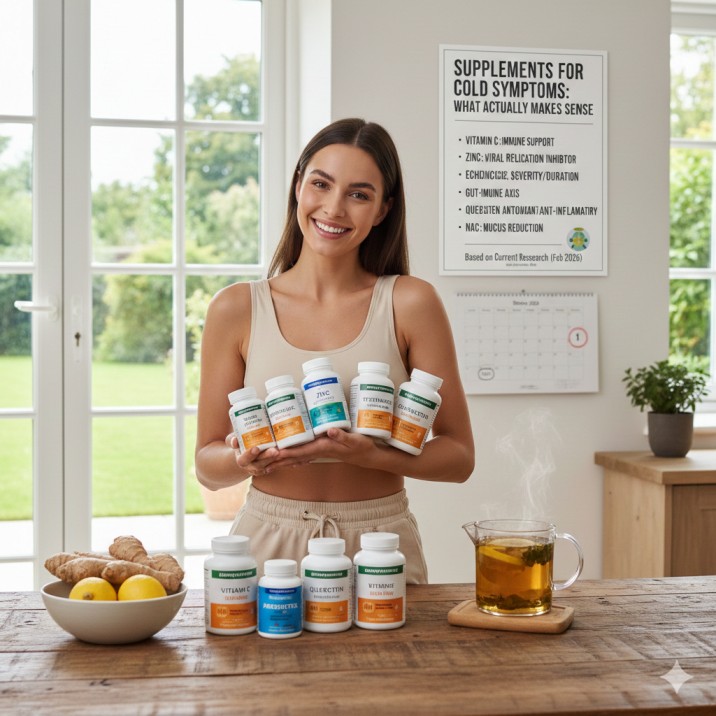
Vitamin C Still Has a Place (Not the One People Think)
Vitamin C has been discussed so much that people either overhype it or dismiss it completely.
The truth sits somewhere in between.
Vitamin C supports immune cell activity and helps manage oxidative stress. It doesn’t “stop” a cold, but it can support how the body handles immune challenges.
One thing that gets overlooked: vitamin C tends to work better when taken regularly, not only when symptoms start. That’s why it’s common in daily immunity blends rather than single-use cold remedies.
Vitamin D: Easy to Miss, Easy to Underestimate
Vitamin D doesn’t feel exciting. No tingle, no immediate effect.
Still, it matters.
Lower sun exposure, indoor routines, and seasonal changes can all reduce vitamin D levels. When that happens, immune signaling can weaken without obvious warning signs.
That’s why many people search for supplements that may help prevent common cold symptoms and end up focusing on vitamin D—especially during fall and winter.
It’s less about boosting and more about not falling behind.
Zinc’s Quiet Role in Immune Defense
Zinc doesn’t get much attention unless it’s missing.
This mineral supports immune cell development, tissue repair, and normal inflammatory response. When zinc levels are low, immune reactions may slow down.
That’s why zinc shows up in so many cold-season formulas. Not because it’s flashy, but because it quietly supports systems that need to respond quickly.
Consistency matters more than high doses here.
Probiotics and Immunity: The Unexpected Link
This one surprises people.
A large portion of the immune system is connected to the gut. If digestion is off, immune balance can be off too—even if everything else looks fine.
Probiotics may help maintain gut balance and support immune communication over time. They’re not fast or dramatic, but they can improve immune resilience with regular use.
This is more long-game support than quick protection.
Herbal Ingredients Aren’t Just “Old Advice”
Herbal supplements often get dismissed as outdated or unscientific. That’s not entirely fair.
Ingredients like elderberry, echinacea, and ginger have long histories of use for immune support. They don’t block colds directly, but they may help the body respond more effectively during exposure.
When it comes to herbal blends, simpler formulas often make more sense than overloaded ones. Some platforms, including Alipharmahealth, emphasize cleaner ingredient profiles, which can be helpful when comparing options.
More isn’t always better.
Timing Is the Part Most People Get Wrong
One of the most common mistakes? Waiting.
Immune supplements work best when:
Taken before the cold season begins
Used daily instead of occasionally
Paired with basic healthy habits
Once symptoms are fully active, the goal shifts from prevention to support. That’s still useful—but it’s a different role.
Prevention happens quietly, long before you notice anything.
Single Supplements vs Combination Formulas
Single-ingredient supplements can work well if you already know what you’re lacking.
Most people don’t.
That’s why combination immune formulas are popular. They support multiple immune pathways without turning your routine into a handful of bottles.
If you’re planning to buy immunity supplements online, it helps to check for:
Clear ingredient lists
Reasonable dosages
No exaggerated claims
Simple formulas are often easier to stick with—and consistency beats complexity.
Supplements Help More When Lifestyle Isn’t Fighting Them
This part isn’t exciting, but it’s real.
If sleep is poor, stress is constant, and meals are random, supplements can only carry so much weight.
Cold prevention tends to work better when supplements support:
Regular sleep
Basic hydration
Decent, consistent meals
You don’t need perfect habits. You need fewer extremes.
When Do Results Usually Show Up?
Prevention doesn’t come with notifications.
Most people notice changes as:
Fewer colds over time
Milder symptoms when exposed
Faster recovery overall
This usually shows up after a few weeks of consistent use—not overnight.
If nothing feels dramatic, that’s often a good sign.
Mistakes That Reduce Effectiveness
These show up again and again:
Only taking supplements when already sick
Skipping days
Stacking too many immune products
Expecting instant results
Prevention isn’t exciting. It’s steady. Quiet. Boring, even.
That’s the point.
Who Usually Uses Cold-Prevention Supplements?
These supplements are commonly used by:
People who catch frequent colds
Office workers
Travelers
Anyone during seasonal changes
They’re about reducing risk, not creating immunity armor.
Final Thoughts: Prevention Works Best in the Background
So, do supplements that may help prevent common cold symptoms make sense?
Yes—when expectations are realistic.
They don’t promise miracles.
They don’t replace healthy habits.
They support the immune system before it gets overwhelmed.
And when prevention works, you usually don’t notice it at all.
FAQs
Q: Can supplements completely prevent colds?
No. They may reduce frequency or severity, but they don’t eliminate risk.
Q: When should cold-prevention supplements be started?
Before the cold season or during seasonal transitions is ideal.
Q: Are herbal supplements safe for daily use?
Most are when used as directed, but ingredient labels always matter.
Q: Can multiple immune supplements be taken together?
Yes, but avoid stacking similar ingredients unnecessarily.
Q: Do supplements replace sleep and nutrition?
No. They support immunity—they don’t replace healthy habits.
4 Comment(s)
Appreciate this post. Let me try it out.
I'm so happy that I came upon this post. The way you approached this topic was both unique and refreshing, offering a much-needed alternative viewpoint. Finding content that questions accepted wisdom is always fantastic.
The way you approached this topic was both unique and refreshing, offering a much-needed alternative viewpoint. It is frequently difficult to provide comprehensive and understandable explanations for such complex topics. I've saved this to my bookmarks for later.
Sometimes it's difficult to find content that balances useful information with a conversational tone, but you managed to do both really well. I appreciated how the article covered several crucial facets of the subject while maintaining its focus. The content felt approachable because the explanations and examples complemented each other well.
Leave a Comment