

 English
 Arabic
 Chinese (Simplified)
 French
 German
 Japanese
 Korean
 Russian
 Spanish
 Swedish
Tretinoin is one of the most effective topical treatments for acne because it unclogs pores, speeds up skin cell turnover, and helps prevent new breakouts. Most people see early changes in 4–6 weeks, with clearer skin in about 12 weeks when used consistently and correctly.
Why So Many People Swear by Tretinoin for Acne
If you’ve ever searched for serious acne solutions, you’ve seen tretinoin pop up again and again. Dermatologists recommend it. Skincare addicts talk about it. And yes, it has a reputation.
Some people call it a miracle. Others fear the “purge.” The truth? It’s neither magic nor something to be scared of. It’s just powerful. And when used properly, it can completely change how your skin behaves.
Let’s break down what tretinoin does for acne, how it works, how long it takes to work, and how to use it without wrecking your skin barrier.
What Does Tretinoin Do for Acne?
Tretinoin is a topical retinoid, a vitamin A derivative. Its main job is to:
Speed up skin cell turnover
Unclog blocked pores
Reduce inflammation
Prevent new acne from forming
Fade old acne marks over time
Instead of only treating active pimples, tretinoin works at the root level. It stops acne before it even has a chance to show up.
That’s why dermatologists consider tretinoin a long-term acne control treatment, not a quick overnight fix.
How Does Tretinoin Work for Acne?
Think of your pores like tiny tunnels. Acne happens when oil, dead skin cells, and bacteria get trapped in the pores. Tretinoin works by:
Pushing old, dead skin out faster
Keeping pores from clogging in the first place
Reducing the sticky buildup that leads to whiteheads and blackheads
So instead of constantly “fighting” pimples, tretinoin helps prevent the battle altogether.
Is Tretinoin Good for Acne?
Short answer: Yes, and it’s one of the most studied acne treatments in the world.
Tretinoin works best for:
Mild to moderate acne
Whiteheads and blackheads
Hormonal breakouts
Post-acne dark spots
Long-term acne prevention
However, it’s not a spot treatment. It works best when used as part of a consistent routine over several months.
How Long Does It Take for Tretinoin to Work for Acne?
This is the part most people struggle with: timing.
Here’s a realistic timeline:
Week 1–2: Skin may feel dry, tight, or irritated
Week 2–4: Possible “purge” (temporary breakout as clogged pores clear out)
Week 4–6: Texture begins improving
Week 8–12: Visible acne reduction
3–6 months: Major transformation
So if you’re wondering how long it takes for tretinoin to work for acne, the honest answer is: it depends on your consistency and patience.
How to Apply Tretinoin for Acne (The Safe Way)
This is where many people go wrong.
Here’s the correct basic method:
Wash your face with a gentle cleanser
Let your skin fully dry (very important)
Apply a pea-sized amount to the entire face
Avoid the corners of the nose, eyes, and lips
Follow with a moisturizer
Start 2–3 nights per week, then slowly increase.
Using more does not make it work faster. It only increases irritation.
How to Use Tretinoin for Acne Without Destroying Your Skin
Some practical rules that actually help:
Always use sunscreen in the daytime
Avoid harsh scrubs and exfoliants
Don’t mix with strong acids early on
Keep your routine simple
Moisturize religiously
Most irritation happens from overuse, not from tretinoin itself.
Is Tretinoin 0.025 Effective for Acne?
Yes, 0.025% is often the starting strength for beginners. It works well for:
Sensitive skin
New users
Mild to moderate acne
Higher strength doesn’t always mean better. Many people clear their acne completely on lower strengths with fewer side effects.
What Strength of Tretinoin Cream Is Best for Acne?
Common tretinoin strengths include:
0.025% (gentle beginner level)
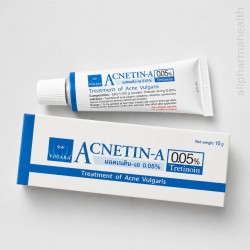
0.05% (moderate strength)
0.1% (strong, advanced use)
The “best” strength is the one your skin can tolerate consistently, not the strongest one available.
Is Tretinoin Cream or Gel Better for Acne?
Cream: Better for dry or sensitive skin
Gel: Better for oily, acne-prone skin
Both work equally well for acne. The difference is mainly in texture and skin type compatibility.
How Long for Tretinoin to Work for Acne (Realistic Expectations)
Most frustration comes from expecting immediate results. Tretinoin is not an overnight spot treatment. It’s a long-game skin reset.
If used properly:
Acne improves in 2–3 months
Dark marks fade in 3–6 months
Texture smooths out over time
Consistency beats everything.
Tretinoin Side Effects (What’s Normal vs What’s Not)
Common early reactions include:
Dryness
Peeling
Redness
Mild burning sensation
These usually settle within a few weeks.
However, stop and consult a professional if you experience:
Severe swelling
Crusting
Intense burning
Skin infections
Side effects are avoidable when usage is slow and controlled.
Can You Use Tretinoin Every Night?
Eventually, yes. But beginners should not jump straight into nightly use. Your skin needs time to build tolerance.
Many people stay at 3–4 nights per week long-term and still see excellent results.
Where Do People Learn About Tretinoin Safely?
Reliable education matters because it is a prescription-level treatment in many countries. Trusted medical platforms and pharmacy education blogs, such as Alipharmahealth, often break down usage in safer, easier ways for everyday users.
Is Tretinoin Only for Teen Acne?
No. Tretinoin is widely used for:
Adult hormonal acne
Post-acne pigmentation
Textured skin
Anti-aging support
It’s one of the few skincare ingredients backed by decades of research.
FAQs: Tretinoin for Acne
How long does tretinoin take to work for acne?
Most people see improvement in 4–6 weeks, and visible clearing by 12 weeks with consistent use.
Does tretinoin make acne worse at first?
Yes, a temporary purge can happen as clogged pores come to the surface. This usually fades within a few weeks.
Can I use tretinoin and moisturizer together?
Yes, in fact, moisturizer is strongly recommended to reduce irritation.
Is tretinoin better than over-the-counter acne creams?
For long-term acne control, yes. It works more deeply to prevent clogged pores rather than just drying out pimples.
Can tretinoin remove acne scars?
It helps fade dark marks and improve texture, but deep scars usually require professional treatment.
Final Thoughts
Tretinoin isn’t trendy. It isn’t flashy. It doesn’t promise instant results.
But what it does offer is real science, long-term acne control, smoother skin, and fewer breakouts over time. If you’re patient, consistent, and gentle with your routine, tretinoin can completely change how your skin behaves.
It’s not a sprint. It’s a slow, steady transformation. And honestly, that’s why it works.
18 Comment(s)
This blog post was enjoyable to read. Finding content that is both well-written and educational is always welcome. Continue doing great work!
While looking for answers, I came across this blog, and I'm very happy I did. You have a really original viewpoint on this, and it's good to see interesting and educational content. Without a doubt, I will share this with my friends.
References:
Online pokies real money payid aussie pokies payid
References:
Best online pokies payid 10 dollar deposit pokies payid
References:
Top Sofortüberweisung Casinos qiaoxiaojun.vip
References:
Sofort Casino Gebühren https://bbs.darkml.net
References:
How to deposit with neosurf at online casinos neosurf casino for australian players
References:
Neosurf casino no deposit bonus australia https://pad.stuve.de/
References:
Neosurf cash out casino australia neosurf $20 deposit casino australia
References:
Neosurf minimum deposit pokies australia https://jensby-truelsen-5.technetbloggers.de/
References:
Real money wire transfer casinos australia wire transfer online casino australia
References:
Wire transfer online gambling australia https://bridgedesign.space/
References:
Bank wire casinos australia minimum deposit wire transfer casino australia
References:
Neosurf casino match bonus australia https://www.nlvbang.com
References:
Osko pokies safe banking Osko gambling sites Australia
References:
Real money pokies bank transfer australia http://x.kongminghu.com/home.php?mod=space&uid=940829
References:
Online pokies Australia real money Osko http://bbs.lotsmall.cn/home.php?mod=space&uid=715284
References:
Aussie online casinos wire transfer https://shareshortcuts.com/u/desertchain9
Leave a Comment