

 English
 Arabic
 Chinese (Simplified)
 French
 German
 Japanese
 Korean
 Russian
 Spanish
 Swedish
The main difference between tretinoin Vs retinol is strength and speed. Tretinoin is a prescription-strength retinoid that works fast but can cause irritation. Retinol is weaker, available over the counter, works slowly, and is gentler on the skin.
If retinol is walking, tretinoin is sprinting.
The Confusion Everyone Has About These Two Ingredients
If you’ve ever stood in front of a skincare shelf thinking, Wait, aren’t tretinoin and retinol the same thing?, you’re not alone.
They’re related. Very closely related. But they behave very differently on your skin.
Some people jump into tretinoin and regret it within a week. Others use retinol for years and wonder why their skin barely changes. The difference isn’t hype, it’s chemistry, strength, and how your skin reacts.
Let’s break it all down in plain English.
What Is Retinol, Really?
Retinol is a vitamin A derivative used in skincare products for:
Acne control
Smoother texture
Brighter tone
Anti-aging
Oil regulation
But retinol doesn’t work instantly when you apply it. Your skin must first convert retinol into retinoic acid for it to become active.
That conversion process is what makes retinol:
Slower
Gentler
Less irritating
Beginner-friendly
It’s ideal if your skin is sensitive, dry, or new to retinoids.
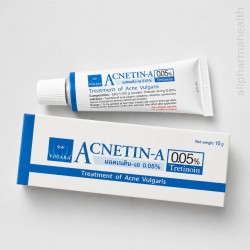
What Is Tretinoin?
Tretinoin is already retinoic acid—no conversion needed.
That means:
It starts working immediately
It penetrates deeper
It triggers faster cell turnover
It unclogs pores aggressively
It boosts collagen production directly
Because of this power, tretinoin is classified as a prescription medication in many countries.
It’s commonly used for:
Moderate to severe acne
Deep pigmentation
Fine lines and wrinkles
Rough skin texture
Long-term skin renewal
Tretinoin vs Retinol: The Core Difference
Here’s the simplest way to understand it:
Feature Retinol Tretinoin
Strength Mild Very strong
Speed Slow Fast
Availability Over-the-counter Prescription
Skin irritation Low Moderate to high
Results visibility Months Weeks
Best for Beginners Experienced users
Both are effective. But they’re not interchangeable.
Which One Works Faster?
No competition here, tretinoin works much faster than retinol.
Retinol: 8–16 weeks for visible change
Tretinoin: 4–6 weeks for early results
But faster doesn’t always mean better. Fast results also come with:
Increased dryness
Peeling
Redness
Sensitivity
Retinol gives you control. Tretinoin demands respect.
Which One Is Better for Acne?
Here’s the practical truth:
Mild acne → Retinol
Persistent acne → Tretinoin
Retinol helps prevent clogged pores gradually. Tretinoin actively clears blockages and stops new ones from forming faster.
For hormonal or stubborn acne, dermatologists almost always lean toward tretinoin.
Which One Is Better for Anti-Aging?
Both stimulate collagen. The difference is intensity.
Retinol improves:
Fine lines
Skin tone
Texture
Tretinoin improves:
Deeper wrinkles
Sun damage
Long-term skin firmness
Tretinoin has decades of research backing its anti-aging benefits. Retinol is better for long, gentle maintenance.
Side Effects: What You Should Expect
Retinol Side Effects
Mild dryness
Slight peeling
Temporary redness
These usually settle within 1–2 weeks.
Tretinoin Side Effects
Intense peeling
Purging (temporary acne flare)
Burning sensation
Increased sun sensitivity
Flaky skin patches
This doesn’t mean it’s “bad”, it means it’s powerful. But misuse can damage your skin barrier.
Can You Start With Tretinoin?
Technically, yes. Practically, it’s risky.
Most people who jump straight into tretinoin experience:
Over-exfoliation
Skin barrier damage
Severe irritation
Breakouts that last longer than necessary
That’s why many professionals recommend starting with retinol first.
Can You Switch from Retinol to Tretinoin?
Yes, and that’s often the smartest path.
Think of it like training:
Start with retinol for 2–3 months
Build skin tolerance
Then transition to tretinoin slowly
This reduces shock to the skin.
How Often Should You Use Each?
Retinol:
2–3 nights per week at first
Then every other night
Eventually → nightly
Tretinoin:
2 nights per week for beginners
Slowly increase to 3–4 nights
Daily use only after full tolerance
More use does not mean faster results.
Can You Use Them Together?
Not at the same time.
Using retinol and tretinoin together:
Does NOT double results
DOES double irritation
Choose one. Never layer both.
Which One Is Safer for Long-Term Use?
Both are safe when used correctly.
Retinol = safer for daily, long-term use
Tretinoin = safe for long-term use under proper guidance
Sun protection is non-negotiable with both.
Who Should Avoid Tretinoin?
Tretinoin is not ideal if you have:
Rosacea
Active eczema
Very sensitive skin
Broken skin barrier
Extreme dryness
Retinol is usually better tolerated in these cases.
Is One Better Than the Other?
This is the truth most people won’t tell you:
Tretinoin isn’t “better” — it’s just stronger.
Retinol isn’t “weaker” — it’s just gentler.
Your skin type decides the winner.
Where to Learn About Retinoids Properly?
Reliable education platforms and pharmacy-based blogs like Alipharmahealth explain how to use active ingredients safely without compromising your skin barrier, which, honestly, matters more than speed.
FAQs – Tretinoin vs Retinol
Is tretinoin the same as retinol?
No. Retinol must be converted to retinoic acid before it can be used. Tretinoin is already active.
Which one works faster for acne?
Tretinoin works much faster and more aggressively.
Can beginners start with tretinoin?
They can, but most will experience stronger irritation than necessary.
Does tretinoin cause purging?
Yes, temporary purging is common in the first month.
Is retinol enough for wrinkles?
For early signs, yes. For deeper wrinkles, tretinoin is more effective.
Final Thoughts
Here’s the real takeaway:
If you want slow, steady, low-risk skin improvement → Retinol
If you wish to a fast, dramatic transformation and can handle irritation → Tretinoin
Neither one is “better” universally. The best choice is the one your skin can tolerate consistently.
Good skin isn’t about rushing. It’s about doing the right thing long enough for results to happen.
21 Comment(s)
I wanted to quickly let you know how much I liked this article. You obviously put a lot of effort into the research and writing of this, and it is evident. Because so many people find your content to be genuinely helpful, please keep writing.
I really appreciate you sharing this; I've been searching for a well-written perspective on this topic for a very long time, and you did a great job. The section where you described the typical errors people make was particularly interesting to me. I will undoubtedly tell everyone I know about this.
I've been researching this subject for some time, and your viewpoint gave me a fresh angle that I hadn't previously thought of. The key points were made much clearer by the examples you provided. I will undoubtedly forward this to some colleagues who share my interest in the topic.
I appreciate you so much for creating this manual. Although I've been reading about this topic for a while, your viewpoint clarified a few points I hadn't previously thought of. I look forward to your next update, and keep up the fantastic work.
References:
Payid pokies no deposit bonus http://www.qianqi.cloud/
References:
1 dollar deposit pokies payid australian pokies that accept payid
References:
Sofort Casino Zahlungsmethoden http://bbs.88moli.top/home.php?mod=space&uid=128504
References:
Bestes Sofortüberweisung Casino https://xs.xylvip.com/home.php?mod=space&uid=4885949
References:
Neosurf casino fast payout australia neosurf blackjack australia
References:
Neosurf deposit bonus aus neosurf casino cashback australia
References:
Neosurf casino android australia a-taxi.com.ua
References:
Top neosurf online casinos australia $1 minimum deposit casino neosurf australia
References:
Instant withdrawal casino australia neosurf http://madk-auto.ru/
References:
Neosurf high roller casino australia neosurf casino australia review
References:
New bank transfer casinos australia manualshyundai.com
References:
Legal wire transfer casino Australia peatix.com
References:
Play pokies with wire transfer australia same day wire transfer casino
References:
Wire transfer casino app australia real money pokies wire transfer australia
References:
5 dollar deposit pokies osko Osko pokies $10 deposit
References:
Osko betting Australia osko instant withdrawal casino
References:
Casino bank wire transfer Australia https://graph.org/Bank-Transfer-Casinos-Australia-2026-Direct-Banking-Guide-10-14-2
Leave a Comment