

 English
 Arabic
 Chinese (Simplified)
 French
 German
 Japanese
 Korean
 Russian
 Spanish
 Swedish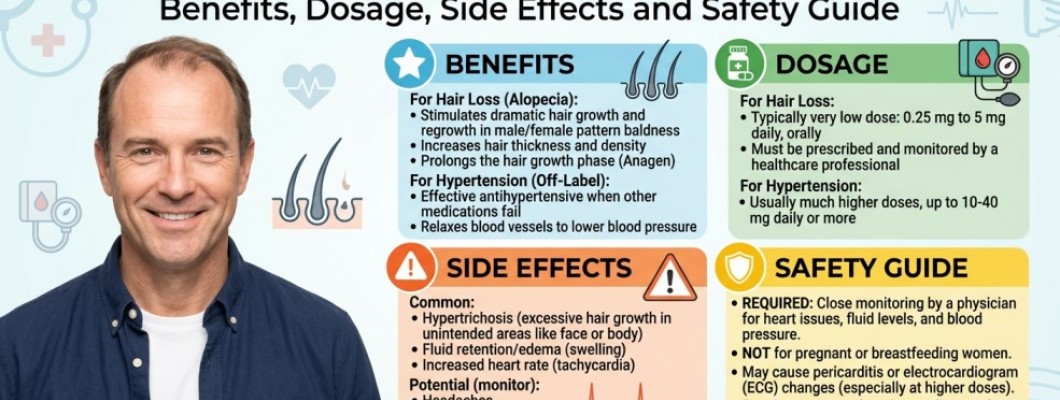
Oral Minoxidil is a prescription medication originally developed to treat high blood pressure (hypertension). Doctors later discovered that it can also stimulate hair growth, making it a popular off-label treatment for hair loss, especially androgenetic alopecia (pattern baldness).
When taken in low doses under medical supervision, oral minoxidil may help improve hair density, thickness, and regrowth while also relaxing blood vessels to lower blood pressure.

Why People Are Talking About Oral Minoxidil
Hair loss treatments are everywhere, but few medications have gained as much attention recently as oral minoxidil.
Originally introduced decades ago for severe hypertension, doctors noticed an interesting side effect: patients started growing more hair. What began as an unexpected outcome quickly turned into a new therapeutic option.
Today, dermatologists sometimes prescribe low-dose oral minoxidil to support hair regrowth in both men and women. Unlike topical solutions that sit on the scalp, the oral form works from inside the body, helping stimulate hair follicles through improved blood circulation.
But before using it, it’s important to understand what it contains, how it works, and when it’s safe to use.
Ingredients
The primary active ingredient in this medication is:
Additional inactive ingredients may vary depending on the manufacturer but often include:
Lactose monohydrate
Microcrystalline cellulose
Magnesium stearate
Corn starch
Silicon dioxide
These ingredients help stabilize the tablet and allow proper absorption.
What Oral Minoxidil Is Used For
Although originally approved for severe hypertension, oral minoxidil is now commonly prescribed for other purposes as well.
1. Hair Loss Treatment
Low-dose oral minoxidil may help treat:
Male pattern baldness
Female pattern hair loss
Chronic telogen effluvium
Alopecia caused by poor scalp circulation
It works by stimulating hair follicles and extending the hair growth phase.
2. Hypertension (High Blood Pressure)
Minoxidil acts as a vasodilator, meaning it relaxes blood vessels. This helps blood flow more easily and lowers blood pressure in people with severe hypertension who do not respond to other medications.
3. Improving Blood Flow
Because of its vasodilating effect, it increases circulation, which may indirectly support nutrient delivery to hair follicles.
How Oral Minoxidil Works
Minoxidil belongs to a class of medications called direct vasodilators.
Here’s what happens inside the body:
It relaxes the smooth muscles in blood vessel walls
Blood vessels widen (vasodilation)
Blood pressure decreases
Circulation improves
When used for hair loss, this improved circulation delivers more oxygen and nutrients to hair follicles, helping them stay in the growth (anagen) phase longer.
Recommended Dosage
The dosage varies depending on the condition being treated.
For Hair Loss (Low Dose Therapy)
Doctors often prescribe:
0.25 mg – 5 mg per day
Most dermatologists start with a very low dose and adjust depending on results and tolerance.
For Hypertension
Typical doses are higher and may range from:
5 mg – 40 mg daily, usually divided into two doses
This medication should only be taken with a doctor’s prescription.
Possible Side Effects
Like any medication, oral minoxidil may cause side effects. Most are mild when used at low doses.
Common Side Effects
Increased hair growth on other parts of the body
Mild swelling in hands or feet
Headache
Dizziness
Fast heartbeat
Less Common but Important
Fluid retention
Chest pain
Shortness of breath
Sudden weight gain
If severe symptoms occur, medical advice should be sought immediately.
Important Safety Warnings
Before taking oral minoxidil, certain precautions should be considered.
Not Suitable For
Pregnant or breastfeeding women
People with severe heart disease
Patients with pheochromocytoma
Individuals allergic to minoxidil
Medical Monitoring
Doctors often recommend monitoring:
Blood pressure
Heart rate
Fluid retention
Sometimes the medication is prescribed together with a diuretic or beta-blocker when used for hypertension.
Tips for Getting the Best Results for Hair Growth
Hair regrowth with oral minoxidil takes patience.
Helpful tips include:
Take the medication consistently at the same time each day
Results typically appear after 3–6 months
Combine with dermatologist-recommended hair care routines
Avoid stopping suddenly without medical advice
Hair growth treatments require time, so consistency is key.
Frequently Asked Questions (FAQs)
1. Can oral minoxidil regrow hair completely?
It may significantly improve hair thickness and density, but results vary. Some people experience noticeable regrowth, while others see slower improvement.
2. Is oral minoxidil better than topical minoxidil?
Both forms can work well. Oral minoxidil may be helpful for people who cannot tolerate topical solutions or need stronger stimulation of hair follicles.
3. How long does it take to see results?
Most users begin noticing improvement in 3 to 6 months, with better results after 6–12 months of consistent use.
4. Will hair fall out again if treatment stops?
Yes. If treatment is discontinued, the hair stimulated by minoxidil may gradually shed within a few months.
5. Is oral minoxidil safe for long-term use?
When used in low doses under medical supervision, it is generally considered safe. Regular checkups help ensure there are no unwanted effects.
Final Summary
Oral minoxidil is a fascinating medication with two major medical roles. Initially designed for high blood pressure, it has become a promising treatment for hair loss when used in low doses.
By improving blood circulation and stimulating hair follicles, it may help promote stronger, thicker hair growth over time. However, because it affects the cardiovascular system, it should always be used under medical guidance.
If you’re considering oral minoxidil for hair loss or hypertension, consult a qualified healthcare professional before starting treatment.
11 Comment(s)
Hello there! Would you mind if I share your blog with my twitter group? There's a lot of people that I think would really appreciate your content. Please let me know. Thank you
I had a great time reading this post; it's always wonderful to see someone imparting their knowledge and skills to others. I value the effort you put into producing this content, and the points you've made are clear and well-written. I'm sure my friends and family will find this just as fascinating as I do, so I'll be sharing it with them. Your ability to articulate these concepts so clearly is truly impressive.
WOW just what I was searching for. Came here by searching
for oral minoxidil
After going over a few of the blog posts on your blog, I seriously like your technique of writing a
blog. I saved it to my bookmark website list and will be checking back in the near future.
Please check out my website as well and tell me what
you think.
There is definately a great deal to learn about this subject.
I like all of the points you've made.
I appreciate you sharing this important information. This is exactly what I've been searching for for a long time. Your viewpoint on the subject truly helped me see new opportunities. This is something I will definitely return to read again in the future.
I appreciate you taking the time to write such an in-depth and beneficial post. This post came at the perfect time for me. I've been trying to wrap my head around this topic, and your breakdown finally helped everything click into place. Soon, I hope to see more content like this!
Reading this post today was a lot of fun. You obviously conducted a great deal of in-depth research before sitting down to write everything down. I am definitely bookmarking this page so I can reference it again in the future!
https://www.apsense.com/article/889519-btc-usdt-swap-and-cryptocurrency-price-differences.html
https://www.teamapp.com/clubs/946251/articles/9877308-understanding-the-btc-usdt-cryptocurrency-pair
https://github.com/charlieemma/blog/wiki/BTC-USDT-and-Cryptocurrency-Market-Volatility
https://www.kaggle.com/datasets/publishers/btc-usdt-swap-and-crypto-market-liquidity
https://timebusinessnews.com/factors-that-influence-crypto-market-prices/
https://ko-fi.com/Post/AGLD-Price-and-Cryptocurrency-Market-Conditions-H1I026H2XM
https://www.merchantcircle.com/blogs/blogs-pine-bluff-ar/2025/8/Understanding-the-Benefits-of-a-BTC-USDT-Swap/2953548
https://donations.signupgenius.com/how-trading-volume-affects-btc-usdt-trading
https://steemit.com/cryptocurrency/@aurangzeb746/key-features-of-a-modern-cryptocurrency-exchange
https://scrapbox.io/article-post/Understanding_Aave_Price_Movements
I'll be bookmarking this excellent resource for later. I appreciate that you gave concrete examples instead of merely offering broad guidance. Continue your fantastic blogging efforts.
Yes! Finally someone writes about анальный секс зрелых.
Leave a Comment