

 English
 Arabic
 Chinese (Simplified)
 French
 German
 Japanese
 Korean
 Russian
 Spanish
 Swedish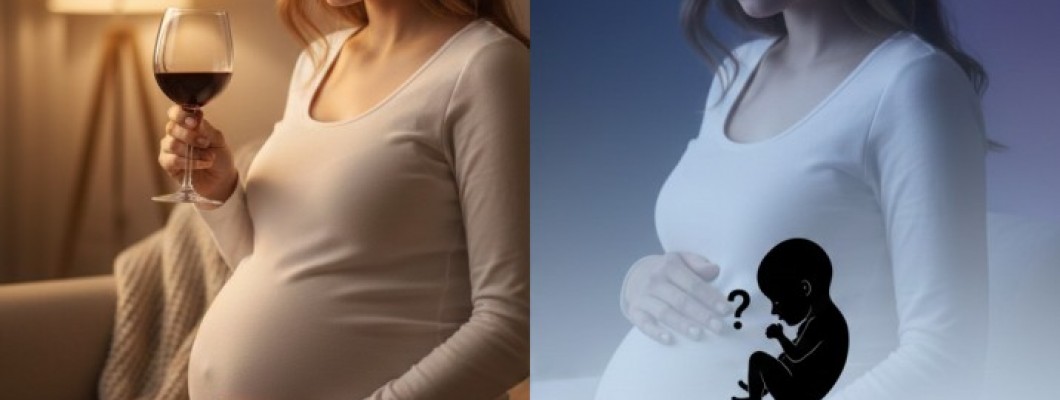
No. A pregnant woman should not drink wine, even in small amounts. Medical guidance across the board agrees there is no proven safe level of alcohol during pregnancy. That includes red wine, white wine, and the occasional “sip” at dinner.
Now here’s where it gets tricky—and why this topic keeps blowing up online.
Some people swear their doctor said a little wine is fine. Others say their grandmother drank wine and “everything turned out okay.” So what’s actually true? Let’s slow it down and talk through it like real humans.
Why This Question Never Goes Away
Pregnancy comes with rules. A lot of them. And alcohol is one of the most debated.
Wine, especially, gets special treatment. It’s often framed as “classy,” “natural,” or even “heart-healthy.” That makes it feel different from hard liquor or cocktails. Less risky. Softer.
But biologically? Alcohol is alcohol.
And pregnancy doesn’t really care about vibes.
What Happens When a Pregnant Woman Drinks Wine?
When you drink wine, alcohol enters your bloodstream. From there, it crosses the placenta almost immediately. Your baby’s liver isn’t developed enough to process alcohol, so it stays in their system longer than it does in yours.
That’s the core issue.
Even small amounts can interfere with:
Brain development
Nervous system growth
Cellular formation during early pregnancy
This is why doctors don’t draw a “safe line.” It’s not because they’re overly cautious. It’s because the effects vary from pregnancy to pregnancy, and there’s no way to predict who will be affected.
Is Red Wine Any Safer Than White Wine?
Short answer: no.
Red wine often gets a health halo because of antioxidants like resveratrol. But during pregnancy, those benefits don’t cancel out the alcohol risk.
Whether it’s:
Red wine
White wine
Champagne
Homemade wine
Alcohol content is what matters. And all of it reaches the baby.
What About “Just One Glass” or Special Occasions?
This is where most people pause.
Weddings. Anniversaries. Holidays. A toast feels harmless. And culturally, drinking is often normalized in those moments.
But here’s the honest truth:
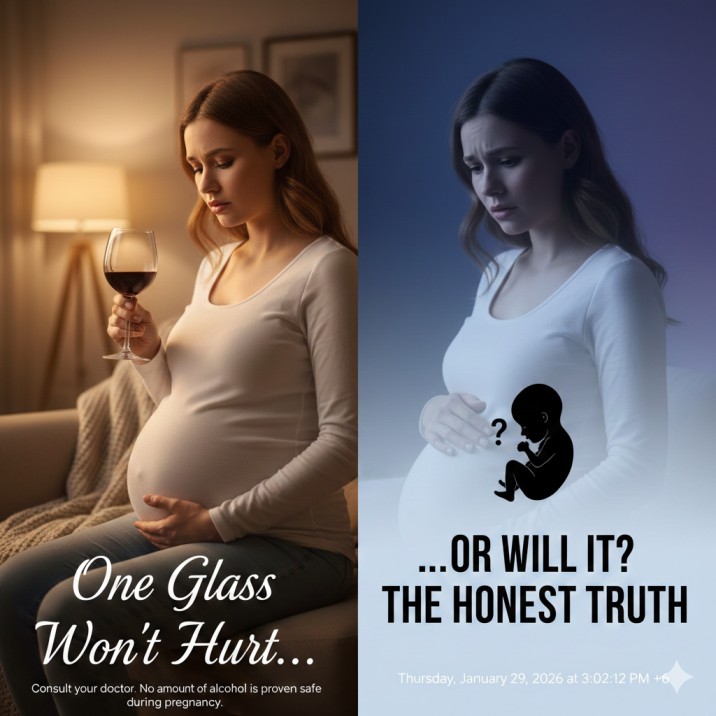
There’s no medical approval for “just one glass” during pregnancy.
Some women drink small amounts and never see obvious problems. Others don’t. The issue is that you can’t know which pregnancy will be affected.
So medical advice stays firm: avoid it altogether.
Fetal Alcohol Spectrum Disorders (FASD) Explained Simply
You don’t have to drink heavily to cause harm. Alcohol exposure during pregnancy can lead to a range of outcomes known as Fetal Alcohol Spectrum Disorders.
These can include:
Learning difficulties
Behavioral challenges
Speech delays
Attention issues
Not every child exposed to alcohol will have FASD. But again, there’s no way to predict risk, timing, or severity.
That uncertainty is the reason behind the zero-alcohol recommendation.
Does Timing Matter During Pregnancy?
Many women wonder if wine is “less risky” later on.
Early Pregnancy
This is the most sensitive stage. Organs and brain structures are forming. Alcohol exposure here carries higher risk.
Second and Third Trimester
Brain development continues throughout pregnancy. Alcohol exposure can still interfere with growth and neurological development.
So while risks change over time, they never fully disappear.
What If You Drank Wine Before Knowing You Were Pregnant?
This question deserves calm, not guilt.
Many women drink before realizing they’re pregnant. That happens. A lot.
In most cases:
Stop drinking once you know
Mention it to your doctor
Focus on healthy habits moving forward
One or two early exposures don’t automatically mean harm. Panic doesn’t help. Awareness does.
Are Non-Alcoholic Wines Safe for Pregnant Women?
Here’s where a low-competitive transactional keyword comes into play:
non-alcoholic wine for pregnancy
These products are increasingly popular, but labels matter.
Some “non-alcoholic” wines still contain up to 0.5% alcohol. That’s small, but not zero.
If you choose one:
Look for 0.0% alcohol, not “dealcoholized”
Avoid drinking large quantities
Treat it as an occasional substitute, not a daily habit
When in doubt, sparkling water or grape juice is still the safest bet.
Why Medical Advice Is So Strict About Wine
Doctors aren’t trying to take joy away from pregnancy. They’re working with population-level data.
Since:
Alcohol crosses the placenta
Effects can be subtle and delayed
Risk varies widely
The safest recommendation becomes the simplest one: don’t drink wine while pregnant.
Some health education platforms, including alipharmahealth, emphasize this same precaution-based approach when discussing pregnancy and alcohol use.
Social Pressure Is Real—and That Matters
Let’s acknowledge something important.
Pregnant women often get pressured:
“One sip won’t hurt.”
“I did it and my kids are fine.”
“You’re being too strict.”
That’s exhausting.
Choosing not to drink wine during pregnancy isn’t about being dramatic. It’s about making a low-effort choice that removes an unnecessary risk.
You don’t owe anyone an explanation.
Final Take: Wine Can Wait
Pregnancy is temporary. Development is permanent.
Skipping wine for nine months isn’t a punishment. It’s a pause. And one with a clear upside.
There’s no proven benefit to drinking wine during pregnancy—and no guaranteed safe amount either. So the safest answer stays simple.
FAQs – Clear, Straightforward Answers
Q1. Should a pregnant woman drink wine occasionally?
Medical guidance says no. There is no proven safe amount of wine during pregnancy.
Q2. Is one glass of wine safe while pregnant?
There is no confirmed safe level, even one glass.
Q3. Does red wine help during pregnancy?
No. Any potential antioxidant benefits do not outweigh alcohol-related risks.
Q4. What if I drank wine before knowing I was pregnant?
This is common. Stop once you know and discuss it with your doctor if concerned.
Q5. Are alcohol-free wines safe during pregnancy?
Some contain small amounts of alcohol. Look for 0.0% options and consume cautiously.
Q6. Can drinking wine cause birth defects?
Alcohol exposure can increase the risk of developmental and neurological issues, which is why avoidance is recommended.
Leave a Comment