

 English
 Arabic
 Chinese (Simplified)
 French
 German
 Japanese
 Korean
 Russian
 Spanish
 Swedish
Okay, so first things first. I’m just gonna say it: vitamins like magnesium, B-complex, vitamin D, zinc, and some antioxidants can help with stress and mood. But—they’re not magic. Seriously. You still need sleep, food that isn’t just chips, and maybe a little mental breathing room. Supplements are like your quiet little helpers in the background, not superheroes.
Anyway, quick answer over. If you’re like me and sometimes feel like your brain is doing cartwheels while your body wants to nap, stick around. There’s more to this than popping a pill and hoping for miracles.
Stress and Mood Are Messier Than You Think
I swear, stress and mood aren’t just about “ugh Monday” or “I hate work.” Your brain is messy. Hormones, neurotransmitters, caffeine, bad sleep, even the weather… it all mixes. And then suddenly you snap at your dog (or roommate, fine) over literally nothing.
Sometimes it’s subtle: fatigue, irritability, foggy brain. Supplements won’t fix all of that, but they can help your system cope quietly, like tiny invisible assistants whispering, “You got this.”
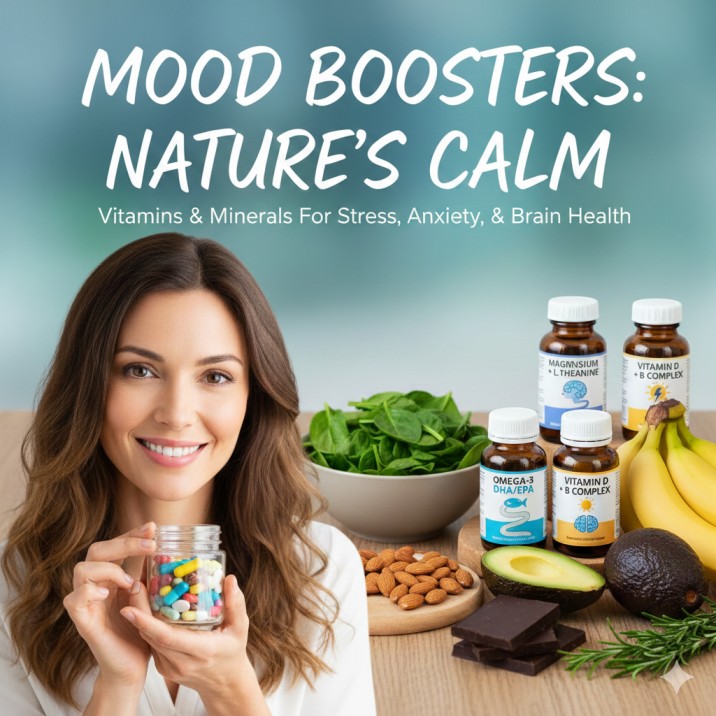
Magnesium: The Chill Mineral
Magnesium—yes, that “relaxation mineral.” I didn’t buy it at first, but it actually helps calm nerves, relax muscles, and affects neurotransmitters too.
Low magnesium? You might feel jittery, tense, or “ugh, everything annoys me.”
Eat leafy greens, nuts, seeds… or take a supplement. Personally, I notice it most at night. It’s like my nervous system finally gets a mini vacation.
B-Complex Vitamins: Brain Fuel
B6, B12, folate… tiny but mighty. They’re critical for serotonin and dopamine—no B? Mood swings, stress feels heavier, energy dips.
Take them in the morning (they energize a bit). Combo B-complex works better than singles, covering multiple bases. Subtle effect at first, but over weeks, it’s like your brain’s reliable friend quietly showing up.
Vitamin D: Sunshine in a Pill
Vitamin D isn’t just for bones. Low levels = fatigue, low mood, mild anxiety.
Winter months or indoor lifestyle? Yeah, probably low. Supplements or sunlight can subtly lift your mood.
Confession: I forget vitamin D in summer, then in winter, mood dips hit me like a ton of bricks—classic me.
Zinc: Tiny Mineral, Big Role
Zinc often gets overlooked. Supports neurotransmitters and immune health. Low zinc? Fatigue, irritability, and weaker stress coping.
Add zinc via food or supplements, and over time, your resilience improves. Quiet, steady, subtle.
Antioxidants: Brain Bodyguards
Vitamin C, E, and polyphenols—they protect your neurons from oxidative stress. Stress literally ages your brain cells; antioxidants are tiny invisible bodyguards.
Won’t boost your mood instantly like coffee, but over weeks you’ll notice your mental resilience is a bit stronger—slow and steady wins.
Timing and Consistency Matter
Biggest mistake: taking supplements only when stressed. Doesn’t work.
Works best if:
Daily (every single day)
With meals
Alongside lifestyle habits (sleep, exercise, balanced diet)
Random doses = meh. Prevention is quiet, slow, and consistent.
Single vs Combination Supplements
Single nutrients are fine if you know exactly what’s missing. Most people don’t.
Combination formulas cover multiple pathways: magnesium + B-complex + vitamin D + zinc, for example. Simple, clean labels work best—no overcomplicated stacks. Brands like Alipharmahealth have good options.
Lifestyle Still Rules
Supplements help, but they’re not the star. Your brain and mood still need:
Sleep (even 7–8 hours)
Movement (even short walks count)
Balanced meals (vegetables, protein, fats—not just caffeine)
Hobbies, mindfulness, venting to friends
Supplements whisper, “we got you,” lifestyle shouts, “we’re in charge.”
When You’ll Notice a Difference
Not instant. Most people notice:
Slightly calmer mood
Better stress coping
Less irritability
Weeks, not days. Tiny but meaningful.
Common Mistakes
Only taking supplements when stressed
Skipping days
Expecting instant results
Stacking multiple overlapping products
Simplicity + consistency beats complicated stacks.
Who Benefits Most
People under chronic stress
Adults with low sleep or irregular meals
Anyone looking for nervous system support
Supplements = helpers, not magic.
Final Thoughts
Vitamins and minerals for stress and mood quietly help your system. They support neurotransmitters, fill nutrient gaps, and help your nervous system cope. But they won’t replace sleep, exercise, or therapy. Used alongside lifestyle habits, small, slow wins accumulate. That’s the real mental wellness story.
FAQs
Q: Can supplements replace therapy or sleep?
No. They support, not replace.
Q: When should I take them?
Daily, with meals. B-complex in the morning can help boost energy.
Q: Are combination formulas safe?
Yes, if ingredients are clear and non-overlapping.
Q: Who benefits most?
Adults managing mild stress, mood swings, or low sleep.
Q: How quickly will effects appear?
Weeks, not days. Subtle changes add up over time.
5 Comment(s)
It was a good read. The ideas were presented logically, and the structure made it simple to follow along. Without a doubt, I'll be returning to read some of it again.
I've been following this blog for a while now, and I have to say that this is one of the most insightful posts I've come across. Your research is impressive, and I appreciate the resources and links you've included for more reading. Your passion for the subject matter really shines through, and it's clear that you're dedicated to helping others learn and grow.
That was an angle I hadn't thought of before reading this. You brought up a few important issues that contradict the conventional wisdom on this topic. Think of me as one of your site's new regular readers.
This post was really enjoyable to read, and it's always wonderful to see someone imparting their wisdom to others. I value the effort you put into producing this content, and the points you've made are clear and well-written. I'm sure my friends and family will find this just as fascinating as I do, so I'll be sharing it with them. Overall, great job and keep up the good work.
I truly appreciate how you made this difficult topic so simple to comprehend. I'm going to bookmark this page so I can revisit it at any time I need a refresher. Maintain the fantastic work!
Leave a Comment